
Korean Convenience Stores: Ramyeon, Snacks and 1+1 Deals
Learn how to prepare convenience-store ramyeon, choose snacks and triangle gimbap, and understand 1+1 offers, seating and cooking facilities.
FLASH KOREA · 2026-10-26
You rarely have to walk far to find a convenience store in Korea. Behind the signs of CU, GS25, 7-Eleven and emart24 are drinks and snacks, but also quick meals, desserts and small discoveries. Trying the cup noodles you saw in a drama or choosing an unfamiliar snack can be a little pleasure of its own. Here is how to get started, from preparing noodles to understanding the offers on the shelf.
What can you buy?
Stores sell quick meals, desserts and everyday essentials. For visitors, the ready-to-eat food and snack shelves are a good place to browse.
Triangle gimbap: Samgak gimbap is a triangular rice parcel wrapped in seaweed, with fillings such as tuna mayonnaise or Jeonju-style bibim. It can be an easy snack without further cooking, but follow the product’s refrigeration and use-by instructions.
Cup and packet noodles: Choices range from spicy soup ramyeon to black-bean-sauce and stir-fried noodles. Check the heat level and preparation instructions on the packaging.
Lunchboxes and quick meals: Look for rice-and-side-dish lunchboxes, sandwiches, gimbap and hotbar fish-cake snacks. Refrigerated meals often need microwaving; follow the instructions on the product.
Desserts and drinks: Banana-flavoured milk, coffee, ice cream, jelly sweets and other snacks are easy additions to a break. Chains also carry exclusive and limited products, so comparing stores can be fun.
Preparing ramyeon in the store
Cup noodles are a familiar convenience-store meal. Some branches also have dedicated cookers for packet noodles, although these are not available everywhere and operating methods differ.
Cup noodles
Pay for the product first, then open it and add the seasoning as instructed. Pour hot water to the marked line and wait for the stated time. Some stir-fried or black-bean noodles require draining, so follow the package rather than assuming every cup works the same way.
Packet-noodle cookers
Where a cooker is installed, buy the noodles and any required container according to the store’s instructions. Add noodles and seasoning, then operate the machine as directed. Some machines add water automatically; others require you to add it. Read the machine instructions or ask a member of staff. Take care with hot water and heated containers.
Understanding 1+1 and 2+1
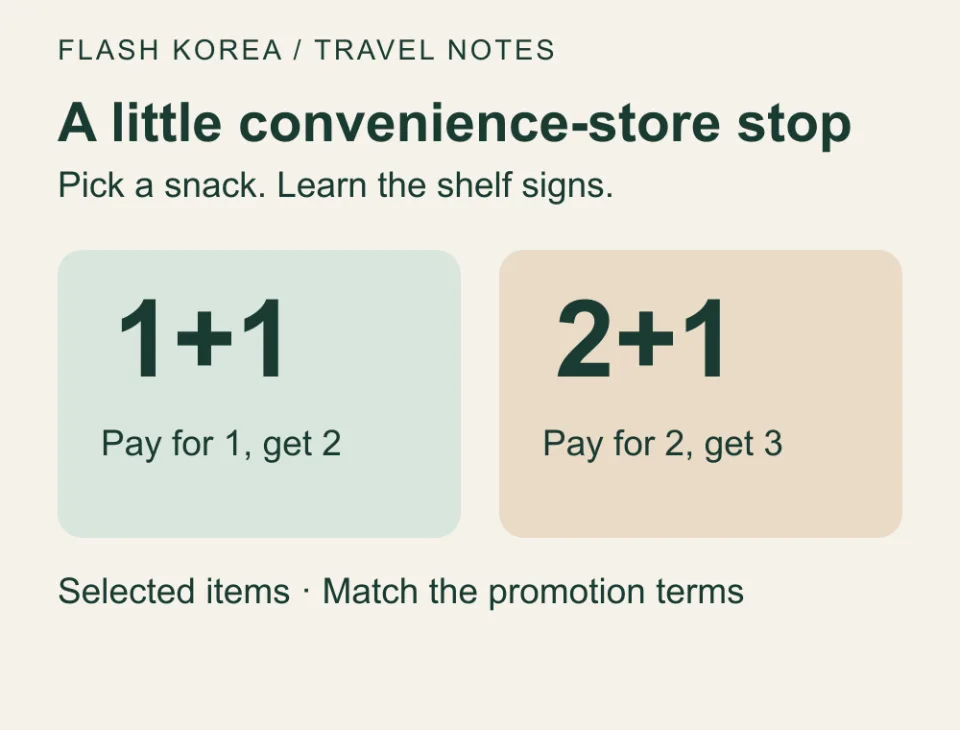
The signs describe extra-item promotions, rather than a simple price reduction.
1+1 means buy one and receive one extra. For example, if a drink priced at KRW 2,000 qualifies, two eligible drinks cost KRW 2,000 in total.
2+1 means three for the price of two. If a snack priced at KRW 1,500 qualifies, three eligible packs cost KRW 3,000 in total.
Not every product qualifies. Even similar drinks from one brand may have different eligible sizes or flavours, and mixing items depends on the offer. Check the dates and eligible products on the shelf label, then the final total at the till. Buying only one item marked 1+1 does not automatically make it half-price.
Try another chain along your route
CU, GS25, 7-Eleven and emart24 have similar everyday basics, but each also carries its own products and promotions. Korean ready meals and exclusive snacks offer a different experience from a restaurant meal.
Hongdae has also been featured for convenience stores displaying a wide range of ramyeon. Rather than making a special trip to every chain, browse a different one when you pass it. Promotions change monthly; see what catches your eye on the shelf.
Can you eat inside?
Some stores provide a small indoor or outdoor eating area, but this is not universal. If you want to eat immediately, check the seating and eating rules before paying. Microwaves and hot-water dispensers also vary by branch.
After eating, sort containers and packaging as the store directs, and use the designated disposal point for noodle broth where provided. Before microwaving anything, check that its container is microwave-safe and follow the stated heating time.
A few useful habits
Check opening hours. Many stores run around the clock, but not every branch stays open all night. Check before an early or late visit.
Ask for utensils at the till. Chopsticks and spoons may be available, but provision and charges depend on the product and store.
Check spice and allergens. Many noodles and ready meals are spicy. Read the heat indication, ingredients and allergen information, especially if you have a food allergy.
A small stop in an ordinary day
A convenience-store visit offers another glimpse of Korean daily life: choosing unfamiliar noodles, finding a favourite snack or trying a shelf offer. Stop when you have a little time between plans. An unexpected treat may become one of your favourite small memories.
Products, prices, promotions, cooking facilities and opening hours vary by chain and branch.
Farmers’ markets in Korea: why we love Marche
Meet the seasons and the people behind the food. From Marche to Baro markets in Gwacheon and Daegu, add a market day to your time in Korea.
Eating Alone in Korea: Menus, Barbecue and Minimum Orders
From a roll of gimbap or a bowl of sundaeguk to barbecue and shared stews, here is how to understand portions and minimum orders when dining alone in Korea.
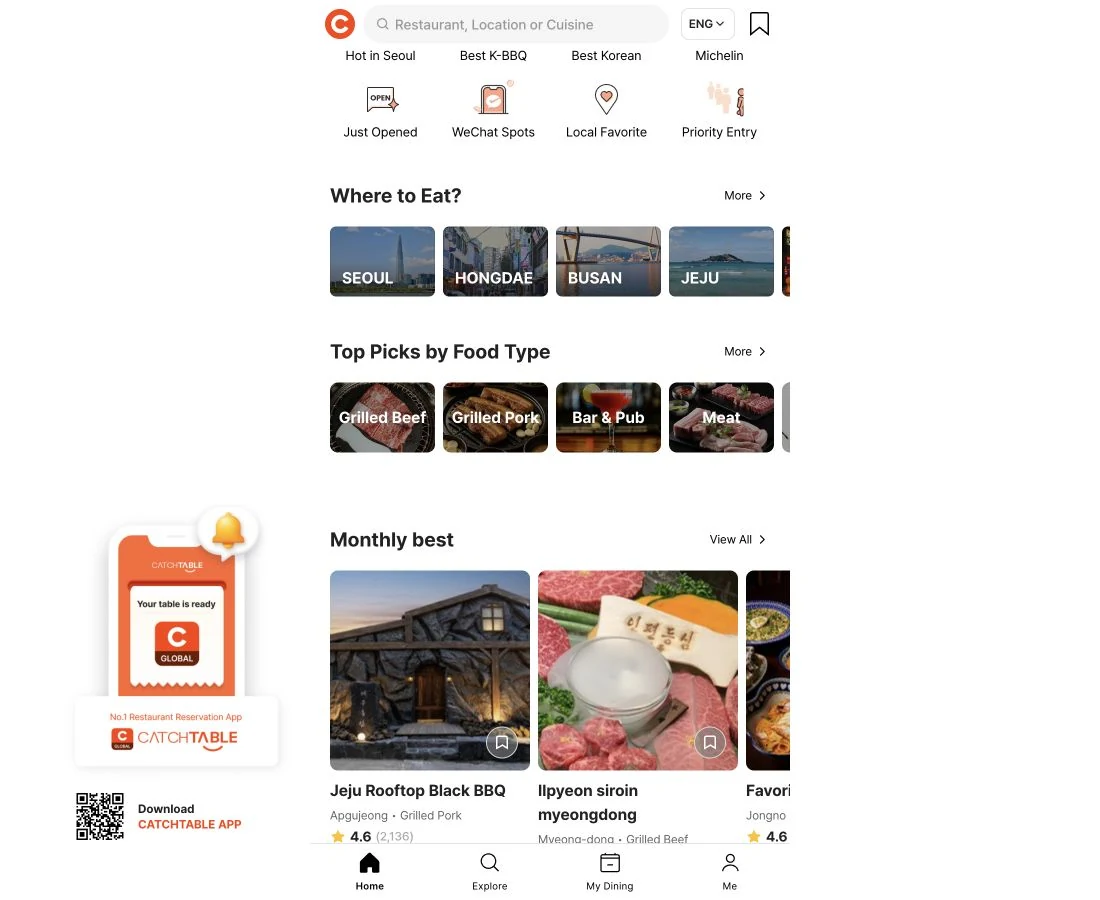
Booking Restaurants in Korea: CATCHTABLE and NAVER
“I really want to eat here—but how do I book?” You have options without a Korean phone number. From planning a special meal on CATCHTABLE to finding neighbourhood restaurants on NAVER, let’s walk through the English booking screens.
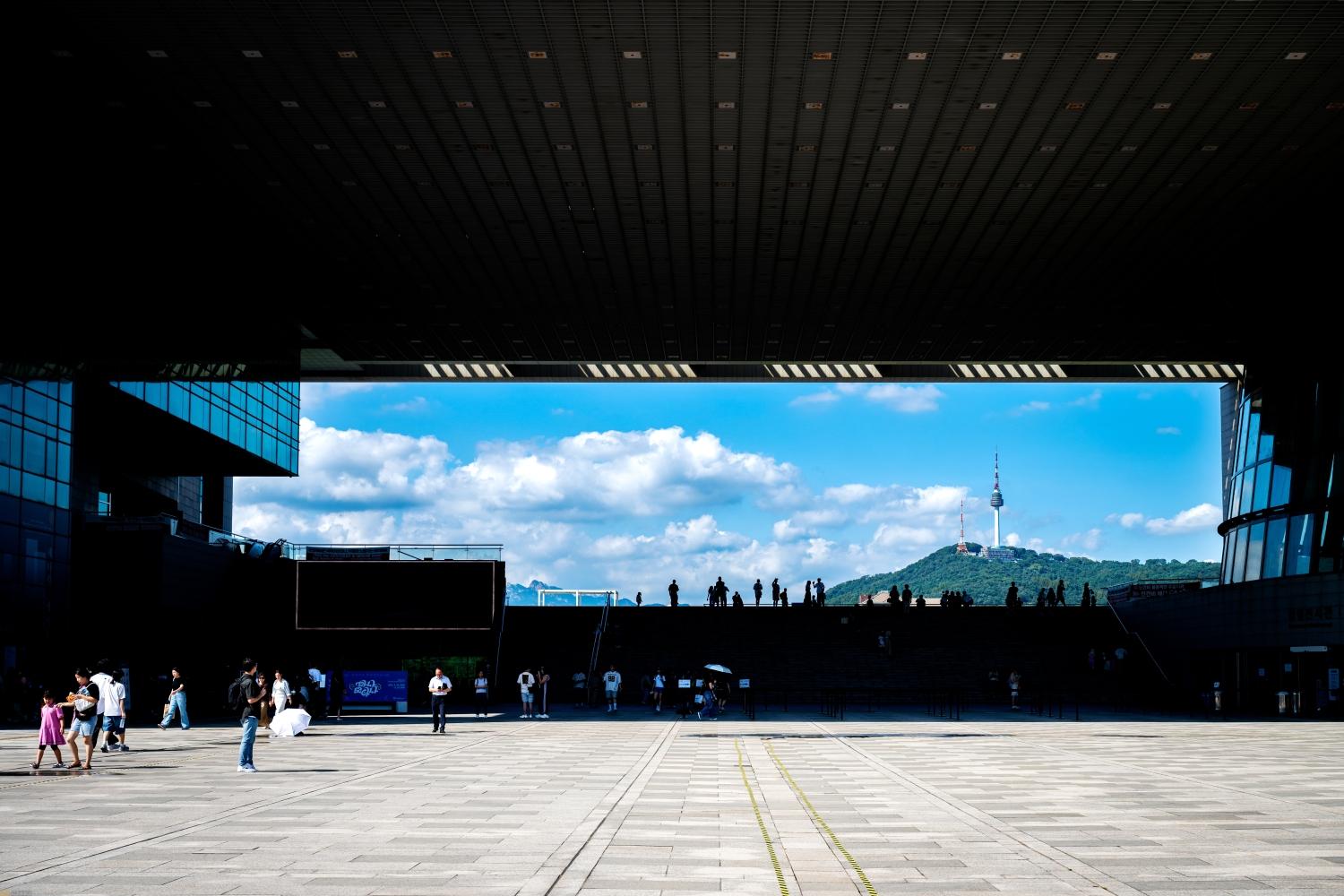
Seoul on a Rainy Day: 6 Indoor Activities & Cafés
Explore six rainy-day ideas in Seoul: museums, The Hyundai Seoul, Hongdae anime shops and Han River cafés, with opening hours, costs and transport tips.
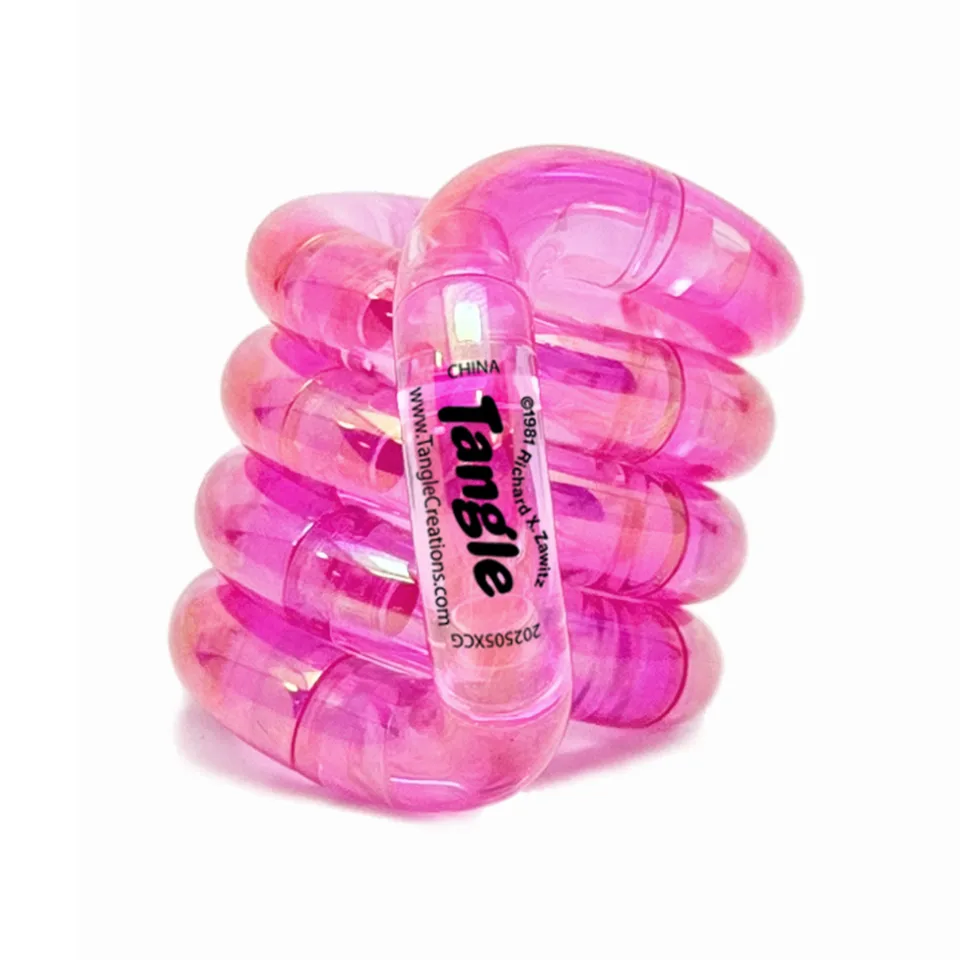
Where to Buy 탱글 (Tangle) in Korea: A Small Souvenir to Take Home
Meet 탱글 (Tangle), the twistable fidget toy catching attention in Korea. Discover how it differs from 말랑이, where to look in Seoul and how to choose one as a travel souvenir.

Korean Profile Photos: Booking a Portrait Session in Seoul
Plan a Korean studio portrait, from choosing a style and booking to outfits, retouching, original files and receiving your photographs.

Photo Booths or Self-photo Studios in Korea? How to Choose
Compare Korean four-cut photo booths, self-service studios and photographer-led sessions, including bookings, digital files and prints.
Seoul with Kids: 4 Family Experiences to Plan Around
Choose from three children’s museums and a family photo session, with ages, locations, hours and booking details to help plan a day in Seoul.

How to Find and Book a Photographer in Seoul
Plan a Seoul photo session: compare portfolios and quotes, agree locations, editing and file delivery, and clarify booking and image-use terms.

Seoul Palace Photos: Gyeongbokgung and Changdeokgung
Try portrait compositions at Geunjeongjeon, Gyeonghoeru, Injeongjeon and Nakseonjae, with practical guidance on light, clothing and visiting restrictions.
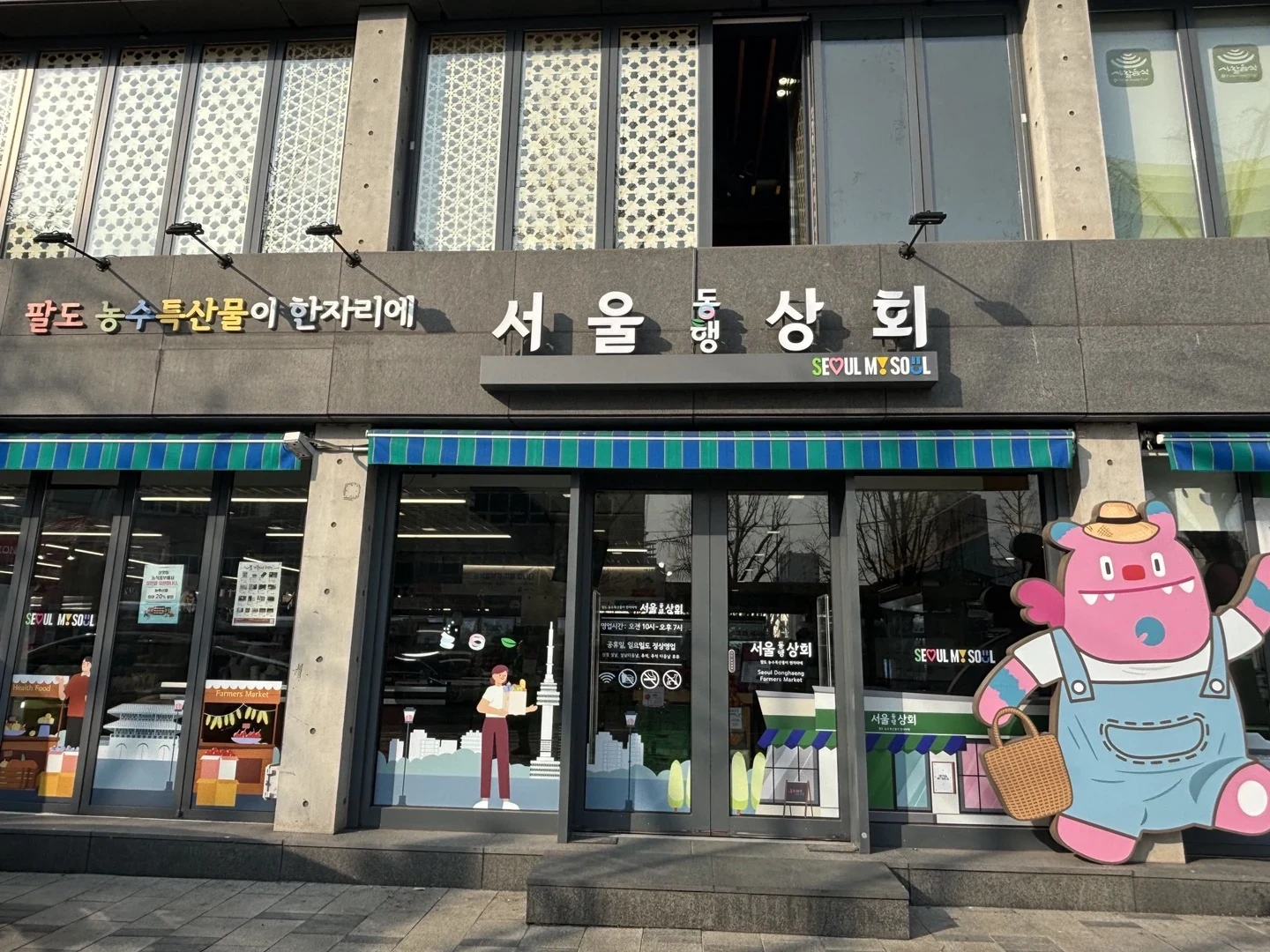
Food Souvenirs near Anguk: Seoul Donghaeng Sanghoe
Browse Korean regional foods and small gifts near Anguk Station. Add Seoul Donghaeng Sanghoe to a palace or Bukchon walk, with opening hours and market tips.
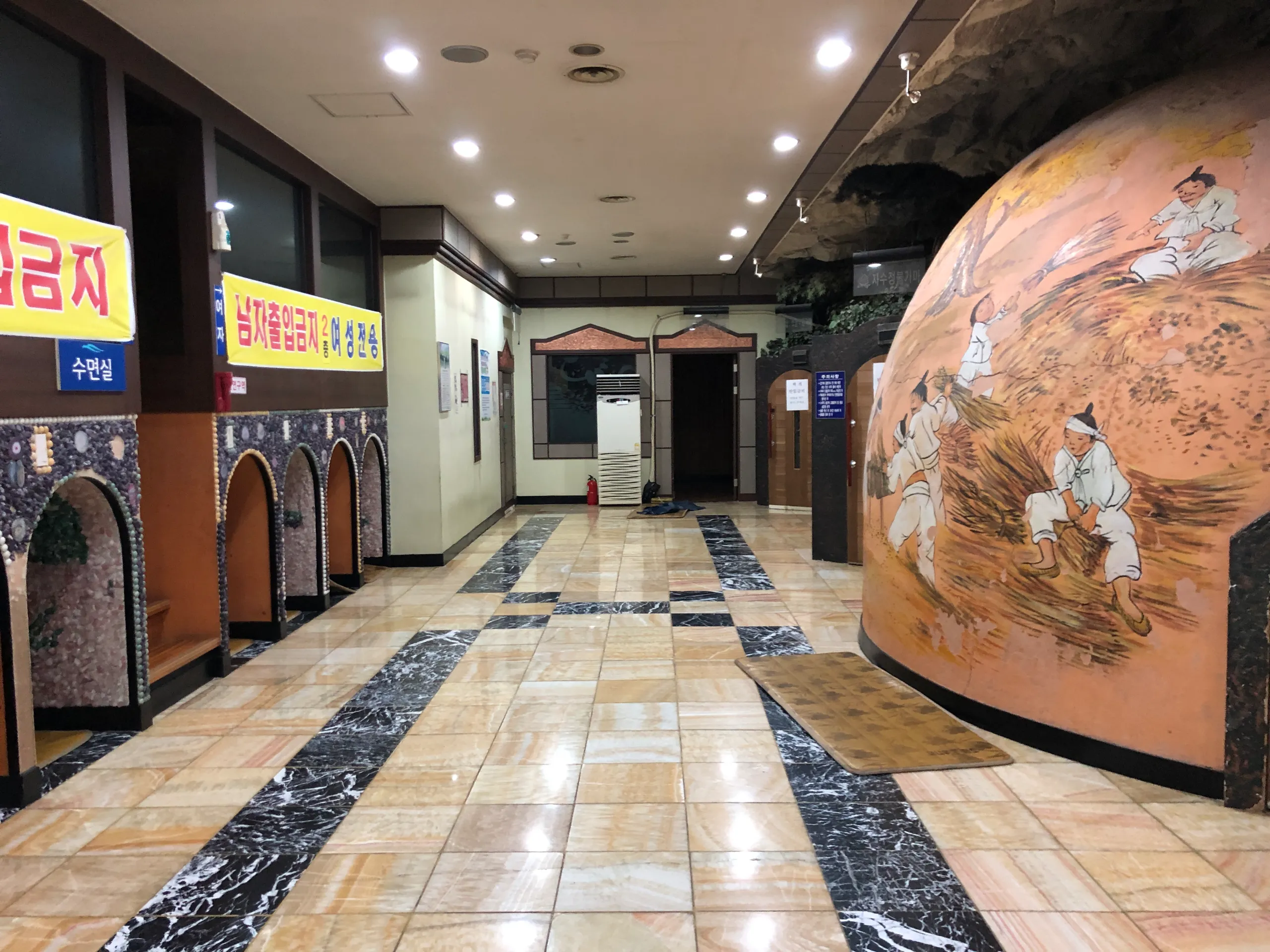
Your First Korean Jjimjilbang: Baths, Rest Areas and Payment
How to use a Korean jjimjilbang, from changing rooms and shared rest areas to extra charges, photography rules and visiting Aquafield Goyang.
Sungsimdang in Daejeon: Bread to Try, Branches and Queue Tips
Plan a first visit to Sungsimdang with bread suggestions, main-store and Cake Boutique hours, DCC location, queue advice and refrigerated-food tips.
5 Snacks to Try in Korea: Fruit Rice Cakes, Dubai Chewy Cookies and More
Discover Hanjungsun fruit rice cakes, pizza seolgi, butter tteok, Dubai chewy cookies and salt bread, with ways to find shops and practical storage tips.