
Seoul Palace Photos: Gyeongbokgung and Changdeokgung
Try portrait compositions at Geunjeongjeon, Gyeonghoeru, Injeongjeon and Nakseonjae, with practical guidance on light, clothing and visiting restrictions.
FLASH KOREA · 2026-10-26
A palace visit is about more than old buildings. A view changes as you pass through a gate; shadows fall beneath tiled roofs; someone walks across a stone courtyard. At Gyeongbokgung and Changdeokgung, these lines and changes in light can make a photograph that feels like part of your day. This guide suggests scenes and ways to place people within them, rather than recommending a particular photographer or package.
Begin with three kinds of photograph
Think of a wide view that includes the palace, a full-length photograph showing clothing and movement, and a closer picture of an expression or gesture. Alternating between these in one place gives variety without simply changing backgrounds. A person can be small in a wide frame: the setting tells you where the day was spent.
The ideas below are compositions to consider along public visitor routes, not a guarantee of access or permission to photograph from a particular spot. Follow the day’s opening arrangements and signs. If a path is busy or narrow, find a similar background from another angle; a good picture does not depend on standing in one exact place.
Gyeongbokgung 1: symmetry at Geunjeongjeon
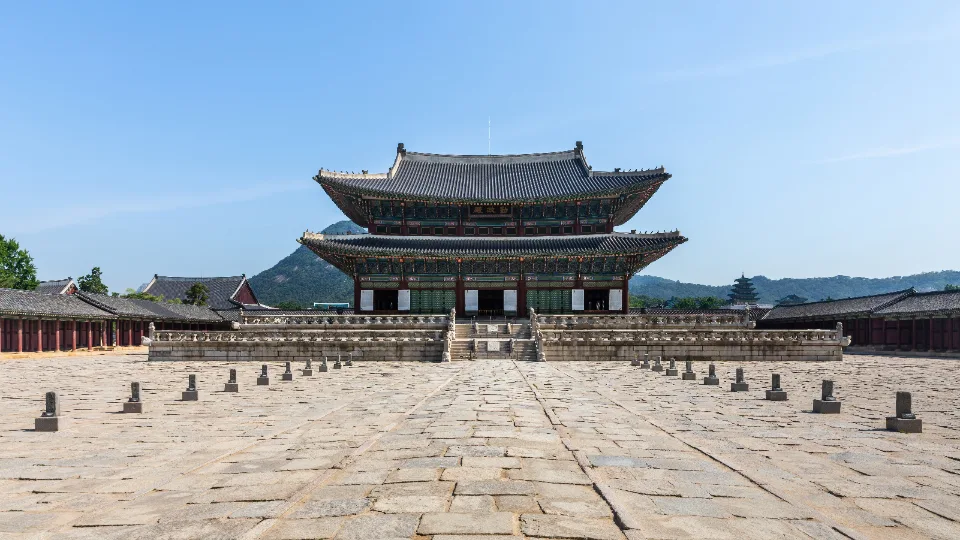
For a composed, balanced picture, face Geunjeongjeon and align the roof’s centre with the building’s vertical lines. Turn on your phone’s grid and avoid tilting it sharply upwards. If people near the edges look stretched while you try to fit in the whole building, adjust your distance within the permitted route or move them towards the centre of the frame.
Gyeongbokgung 2: frame a scene with gates and corridors
A gate can create a frame within your picture. When a doorway opens onto another space, compare a view with the whole doorframe and one with just a pillar at the edge. Keeping part of the frame can add depth. Ask your companion to pause briefly to one side or inside the permitted space, rather than blocking the doorway. A restricted gate is a background, not an invitation to enter.
Along a corridor, repeated pillars and eaves can draw the eye towards the person. A diagonal view makes the lines recede and gives depth. A relaxed stance or a slow walk is enough; do not lean on pillars or climb structures. With bright courtyards and dark shade in the same frame, tap your subject’s face to check exposure without losing all detail in the highlights.
Gyeongbokgung 3: leave space around Gyeonghoeru
Consider the building, water and sky together. Instead of filling the picture with architecture, leave room around it and place your companion to one side. Water and weather change, so work with the scene you find rather than relying on a perfect reflection. Respect barriers and railings. Do not plan on freely entering Gyeonghoeru’s interior or special-access areas.
Changdeokgung 1: a wide view and a different angle at Injeongjeon
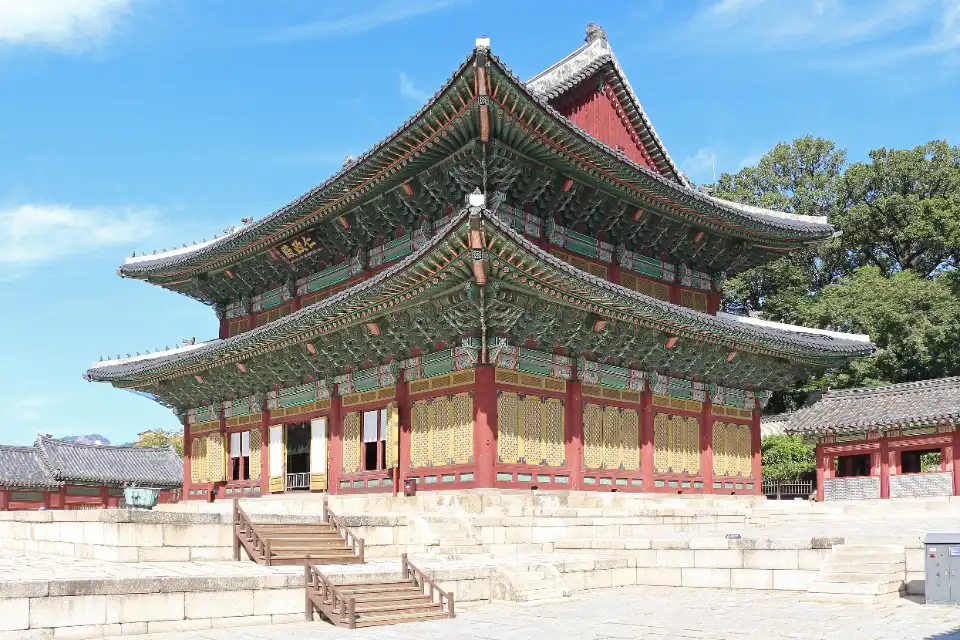
Start with a wide view towards Injeongjeon. After a balanced, frontal photograph, shift your viewpoint within the open courtyard to see the roof overlap neighbouring buildings. The same hall can look orderly from the front and more three-dimensional from an angle. Change the relationship between person and building: one photograph with a small figure in the setting, then another closer upper-body portrait.
Changdeokgung 2: follow the walls and eaves at Nakseonjae
Around Nakseonjae, look at lines made by walls, timber and roof tiles rather than trying to include every colour. Find a permitted viewpoint with an uncluttered background. Leave a little space between your companion and the wall so their outline stays clear. One or two architectural details can be enough to complement the clothing and expression.
Small changes in gaze and hand position often work better than a big pose. Capture someone adjusting an outfit, smiling at a companion or pausing to look aside. Suggest an action, then allow it to unfold. Stay in permitted areas and do not open windows, touch door fittings or sit on raised wooden floors or other spaces outside the visitor route for a photograph.
Changdeokgung 3: photograph movement among paths and trees
On the routes between halls, photograph someone moving through the setting. A bending path or a branch at the edge of the frame can create a natural composition. Leave space ahead of the direction they are walking, so they seem to be entering the scene. Watch the ground and other visitors; do not walk backwards while concentrating on the camera.
Changdeokgung’s Huwon, or Secret Garden, needs separate planning from the palace-building route. Check its official booking and entry arrangements before expecting to use it as a backdrop. Admission does not mean you may linger indefinitely or photograph freely. Follow the route and timings given on site without holding up a group or other visitors. If Huwon is not part of your visit, look for architecture and trees together along the main palace route.
Light and clothing: look at the face first
Useful light depends on the season, weather and opening hours. Rather than assuming dawn or late afternoon is always possible, work within the times you can enter. Strong sun may make people squint; try bright shade and check the balance between the face and the background. Cloudy weather can soften shadows, while a clear day lets you contrast dark eaves and a bright courtyard. Move a little if leaf shadows fall unevenly across faces.
With hanbok, consider how the jacket and skirt colours sit against painted woodwork or trees. For everyday clothing, fewer large logos or busy patterns can keep attention on expressions. Your group need not dress identically; similar colour brightness or mood can help a photograph feel coherent. Comfortable shoes and weather-appropriate clothing matter most. Sore feet and constant outfit adjustments make it harder to relax and enjoy the palace.
A small sequence that tells the story
Choose three different settings rather than rushing around every hall: an open architectural view, a doorway or corridor, and a walk along a path. Look around together first. Take the wide scene, then a full-length photograph and a close expression. Afterwards, put the camera down and actually enjoy the place. Travel photographs can recall time spent there, rather than prove how many places you visited.
If travelling alone, arrange appropriate help from a companion or photographer. Together, take turns. A couple might walk hand in hand or look at the same view; a family might pause to speak to a child at eye level. When an expression feels forced, take a break instead of adding more poses. A sleeve moving in the breeze or an unexpected laugh may become the picture you like most.
Visit details at a glance
- Gyeongbokgung: 161 Sajik-ro, Jongno-gu, Seoul. Consider Geunjeongjeon’s symmetry, gate and corridor frames, and space around Gyeonghoeru.
- Changdeokgung: 99 Yulgok-ro, Jongno-gu, Seoul. Find varied scenes along the routes linking Injeongjeon, Nakseonjae and other halls.
- Plan Huwon reservations and routes separately from the main palace visit.
- Paid portrait sessions, commercial photography and equipment use may have different conditions from personal souvenir pictures. Follow the management office’s photography rules.
Check visiting and photography arrangements
Before your visit, check opening hours, closed days, last admission and temporary restrictions through the Royal Palaces and Tombs Center’s visiting and booking information. Events or maintenance may change routes. Check Huwon and special visits separately; a general ticket does not provide unrestricted access everywhere.
For paid sessions, commercial work or equipment-based photography, ask the management office about permissions and restrictions for your purpose and equipment. These composition ideas do not replace permission to shoot.
Avoid occupying gates or paths, and do not stage anything that risks damaging heritage buildings or facilities. Choose angles that avoid nearby visitors’ faces and pause when people pass. Look for balance and open space at Gyeongbokgung, and the connections between halls and paths at Changdeokgung. Your viewpoint and the expressions of your companions can make two palace days feel quite different.
Farmers’ markets in Korea: why we love Marche
Meet the seasons and the people behind the food. From Marche to Baro markets in Gwacheon and Daegu, add a market day to your time in Korea.
Eating Alone in Korea: Menus, Barbecue and Minimum Orders
From a roll of gimbap or a bowl of sundaeguk to barbecue and shared stews, here is how to understand portions and minimum orders when dining alone in Korea.
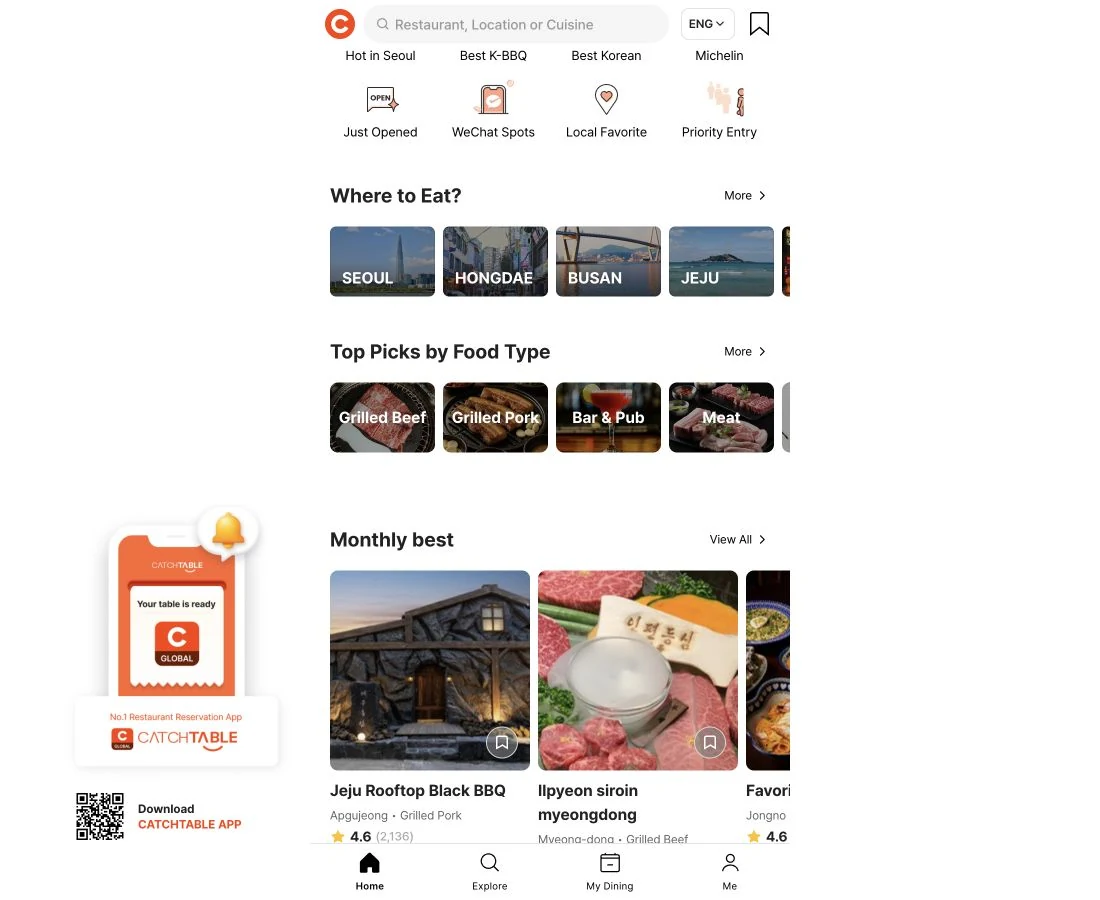
Booking Restaurants in Korea: CATCHTABLE and NAVER
“I really want to eat here—but how do I book?” You have options without a Korean phone number. From planning a special meal on CATCHTABLE to finding neighbourhood restaurants on NAVER, let’s walk through the English booking screens.
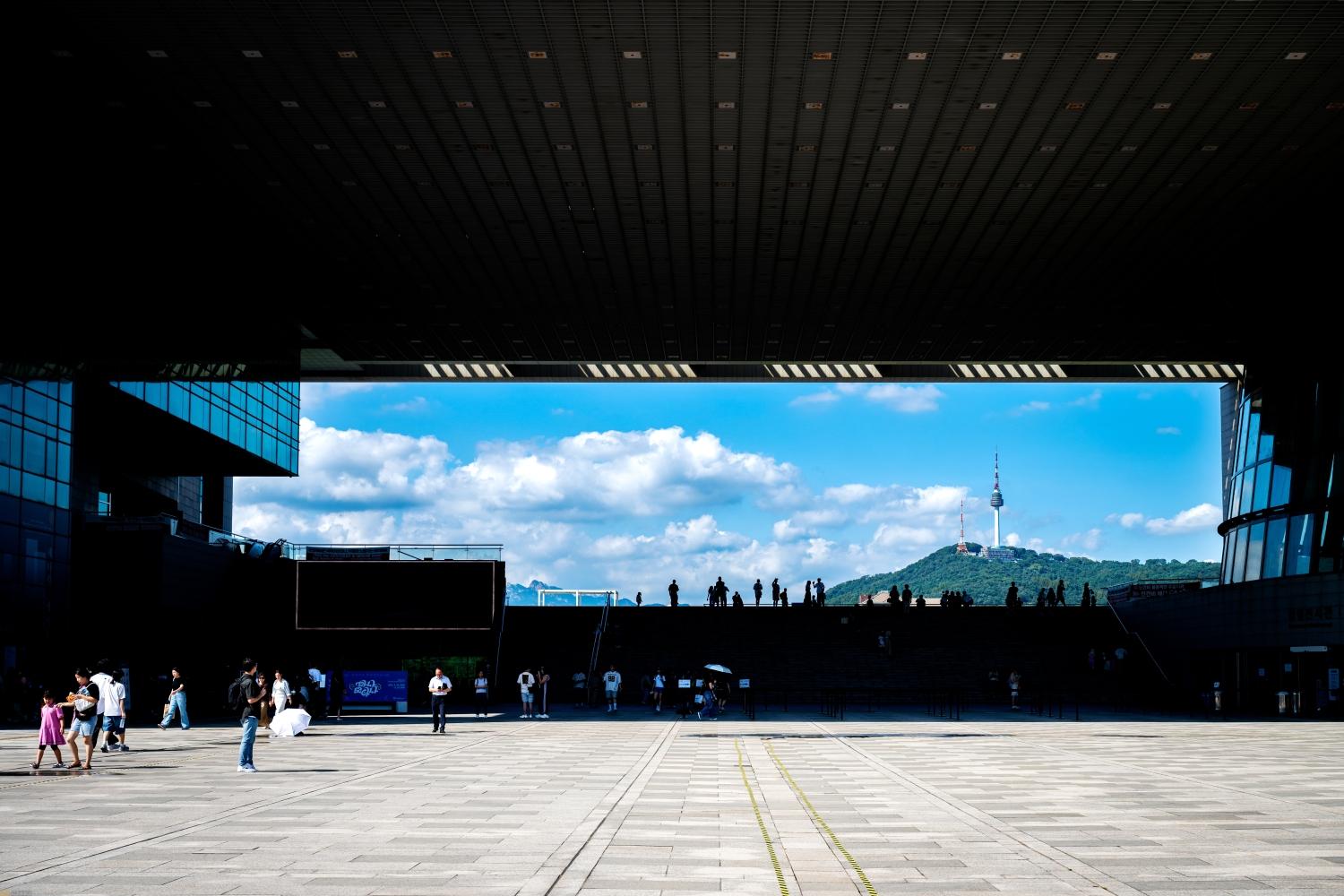
Seoul on a Rainy Day: 6 Indoor Activities & Cafés
Explore six rainy-day ideas in Seoul: museums, The Hyundai Seoul, Hongdae anime shops and Han River cafés, with opening hours, costs and transport tips.

Where to Buy 탱글 (Tangle) in Korea: A Small Souvenir to Take Home
Meet 탱글 (Tangle), the twistable fidget toy catching attention in Korea. Discover how it differs from 말랑이, where to look in Seoul and how to choose one as a travel souvenir.
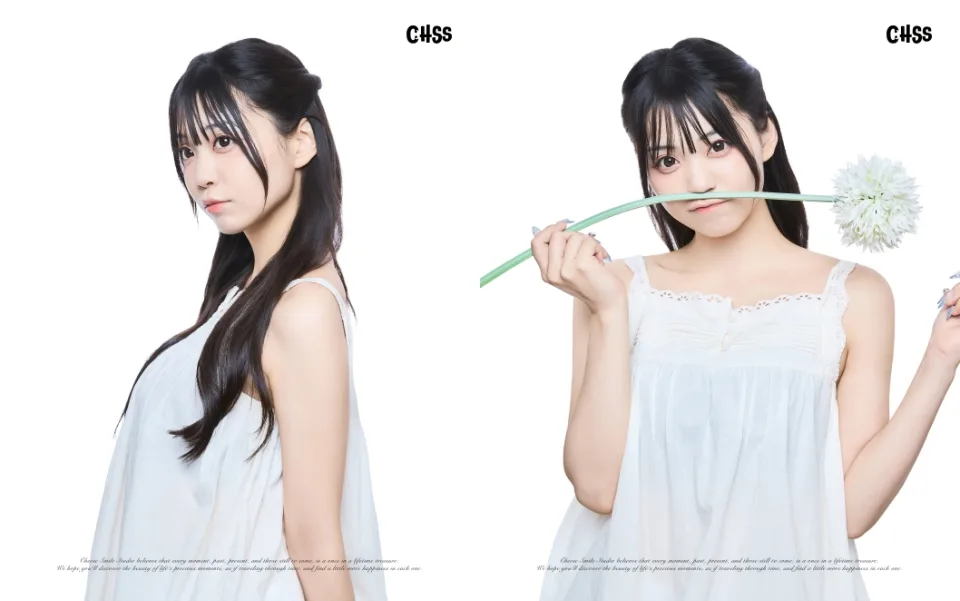
Korean Profile Photos: Booking a Portrait Session in Seoul
Plan a Korean studio portrait, from choosing a style and booking to outfits, retouching, original files and receiving your photographs.
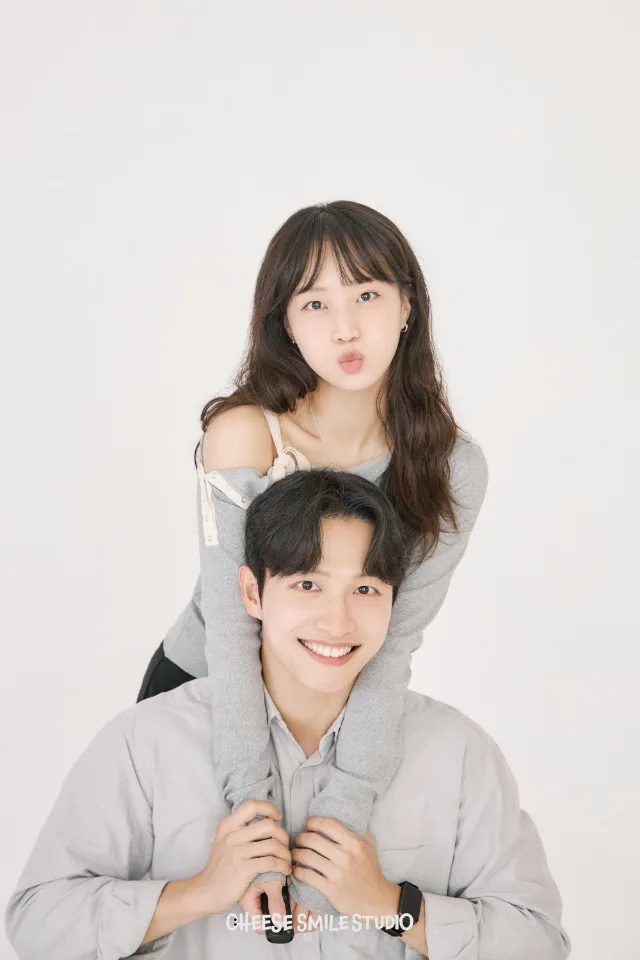
Photo Booths or Self-photo Studios in Korea? How to Choose
Compare Korean four-cut photo booths, self-service studios and photographer-led sessions, including bookings, digital files and prints.
Seoul with Kids: 4 Family Experiences to Plan Around
Choose from three children’s museums and a family photo session, with ages, locations, hours and booking details to help plan a day in Seoul.
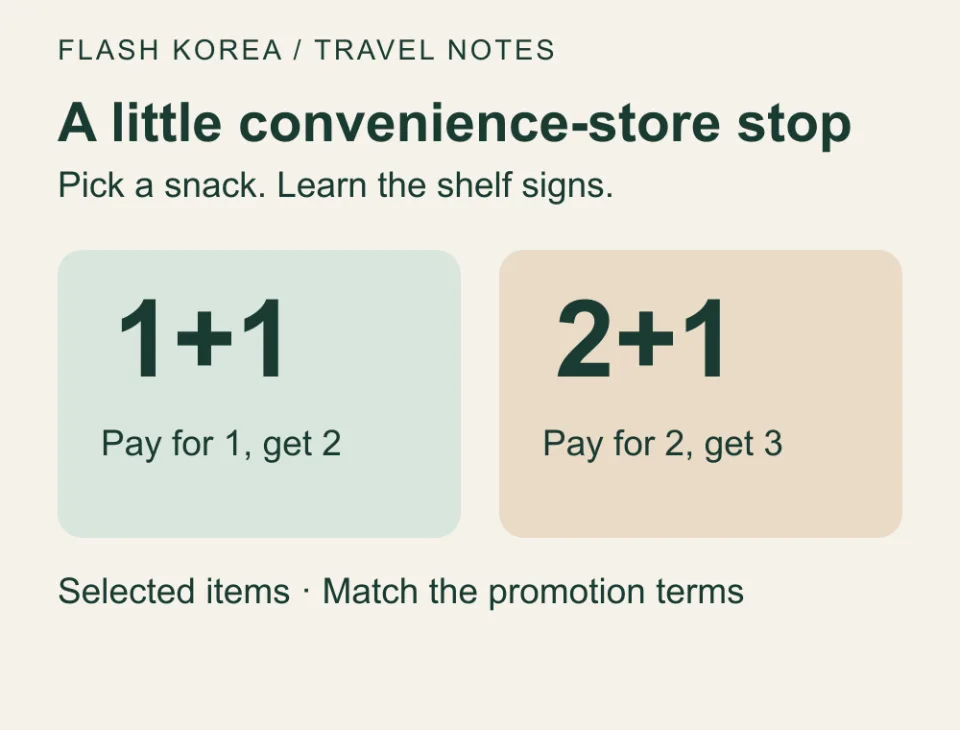
Korean Convenience Stores: Ramyeon, Snacks and 1+1 Deals
Learn how to prepare convenience-store ramyeon, choose snacks and triangle gimbap, and understand 1+1 offers, seating and cooking facilities.
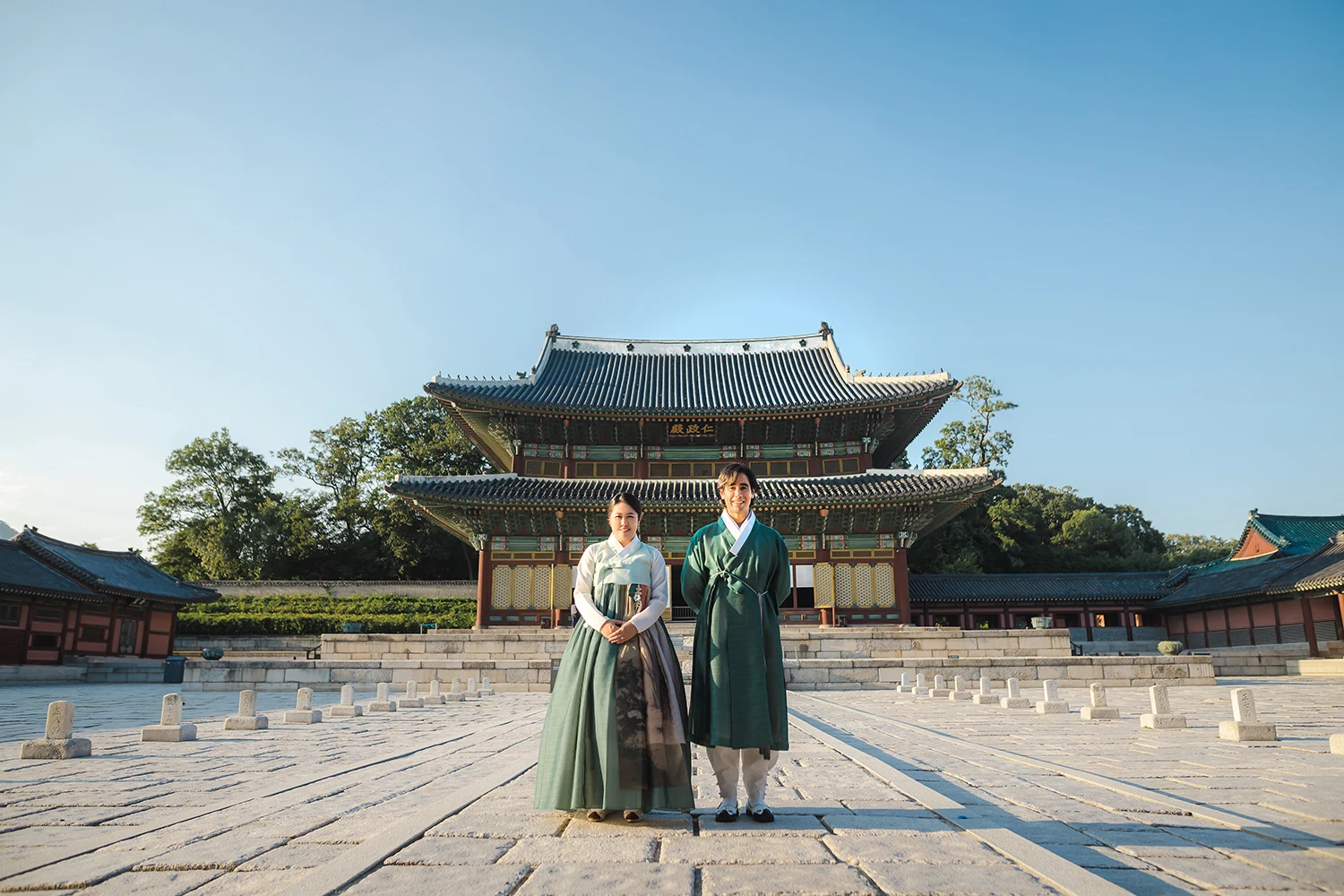
How to Find and Book a Photographer in Seoul
Plan a Seoul photo session: compare portfolios and quotes, agree locations, editing and file delivery, and clarify booking and image-use terms.
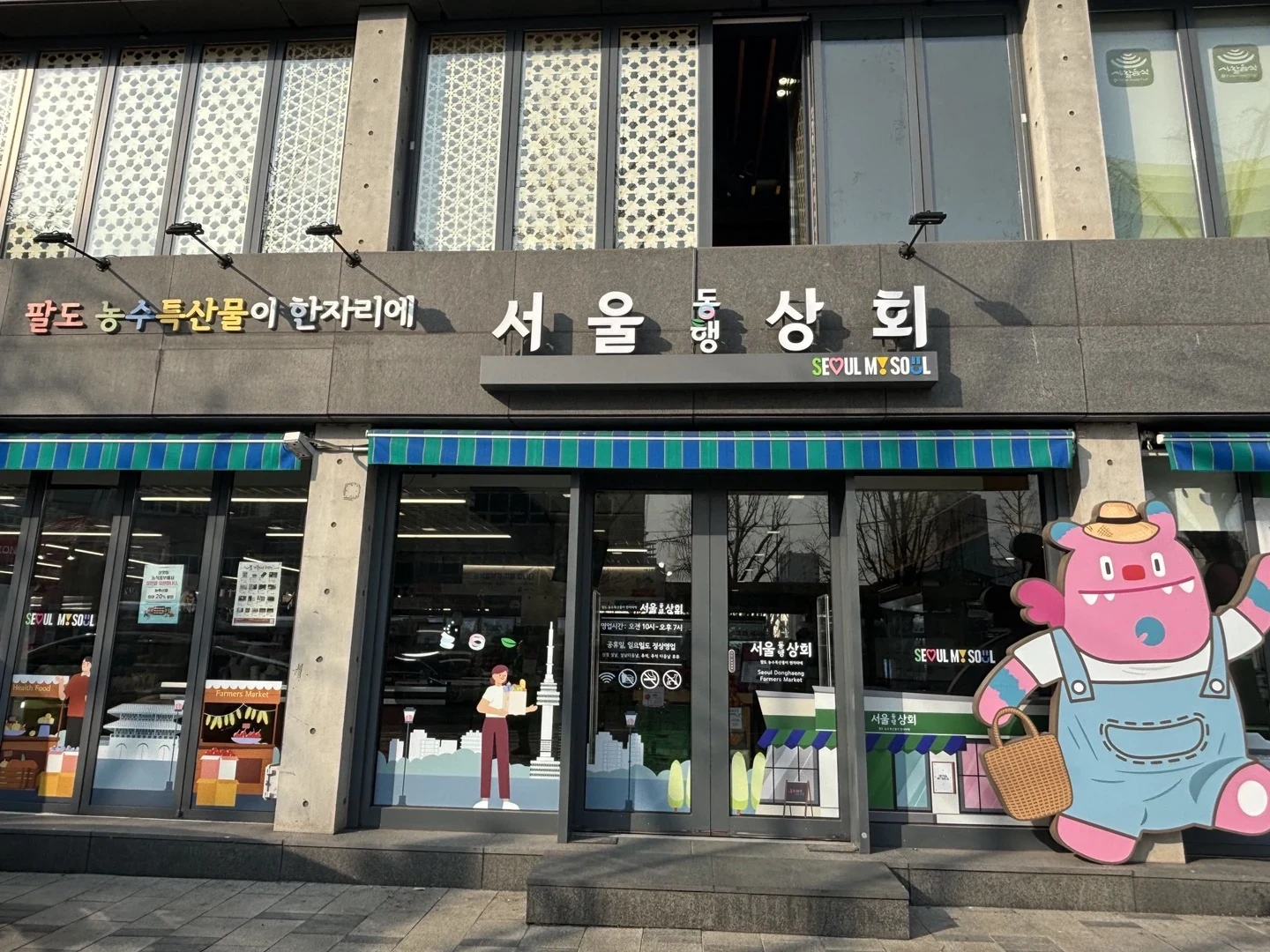
Food Souvenirs near Anguk: Seoul Donghaeng Sanghoe
Browse Korean regional foods and small gifts near Anguk Station. Add Seoul Donghaeng Sanghoe to a palace or Bukchon walk, with opening hours and market tips.
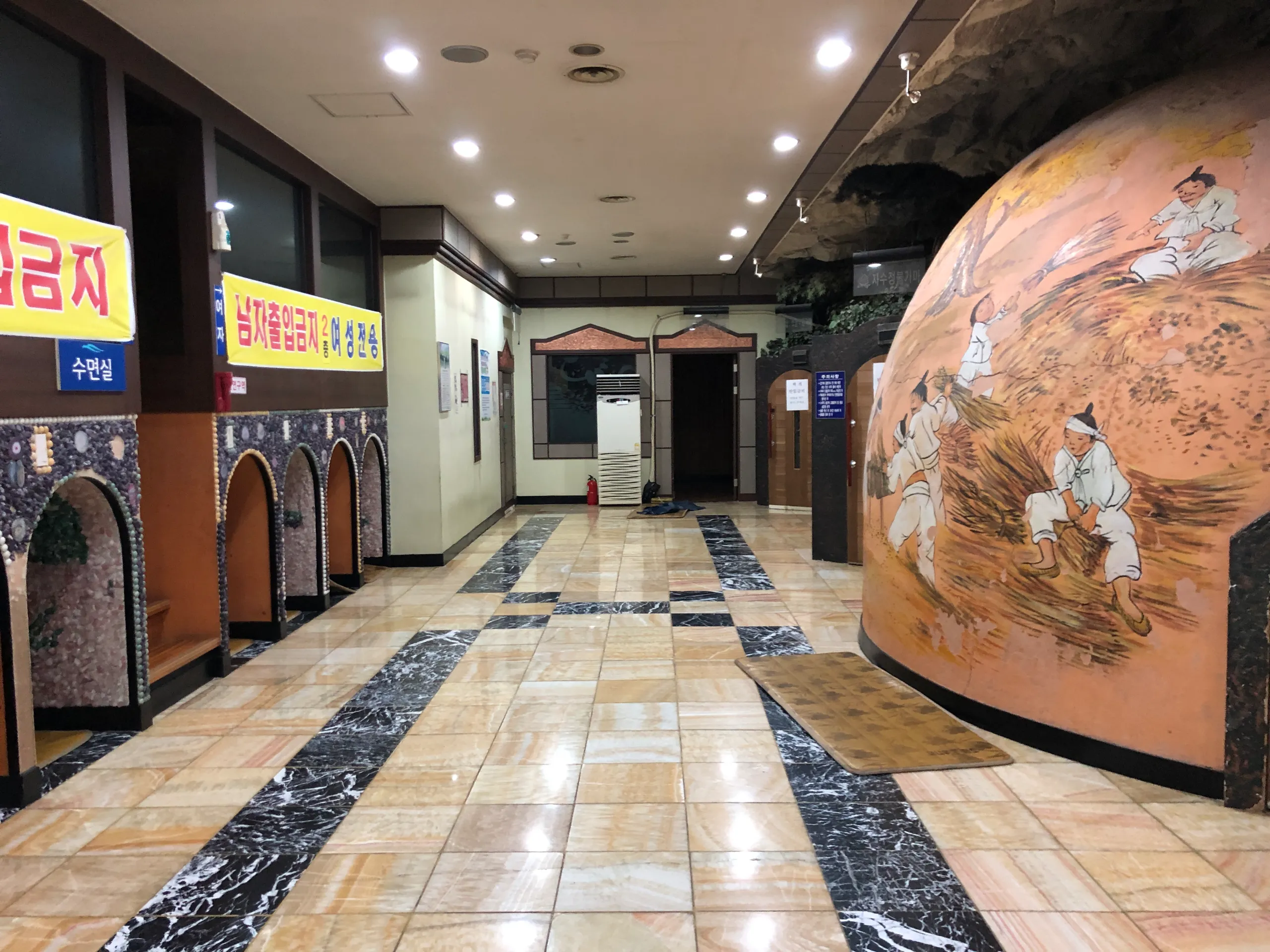
Your First Korean Jjimjilbang: Baths, Rest Areas and Payment
How to use a Korean jjimjilbang, from changing rooms and shared rest areas to extra charges, photography rules and visiting Aquafield Goyang.
Sungsimdang in Daejeon: Bread to Try, Branches and Queue Tips
Plan a first visit to Sungsimdang with bread suggestions, main-store and Cake Boutique hours, DCC location, queue advice and refrigerated-food tips.
5 Snacks to Try in Korea: Fruit Rice Cakes, Dubai Chewy Cookies and More
Discover Hanjungsun fruit rice cakes, pizza seolgi, butter tteok, Dubai chewy cookies and salt bread, with ways to find shops and practical storage tips.